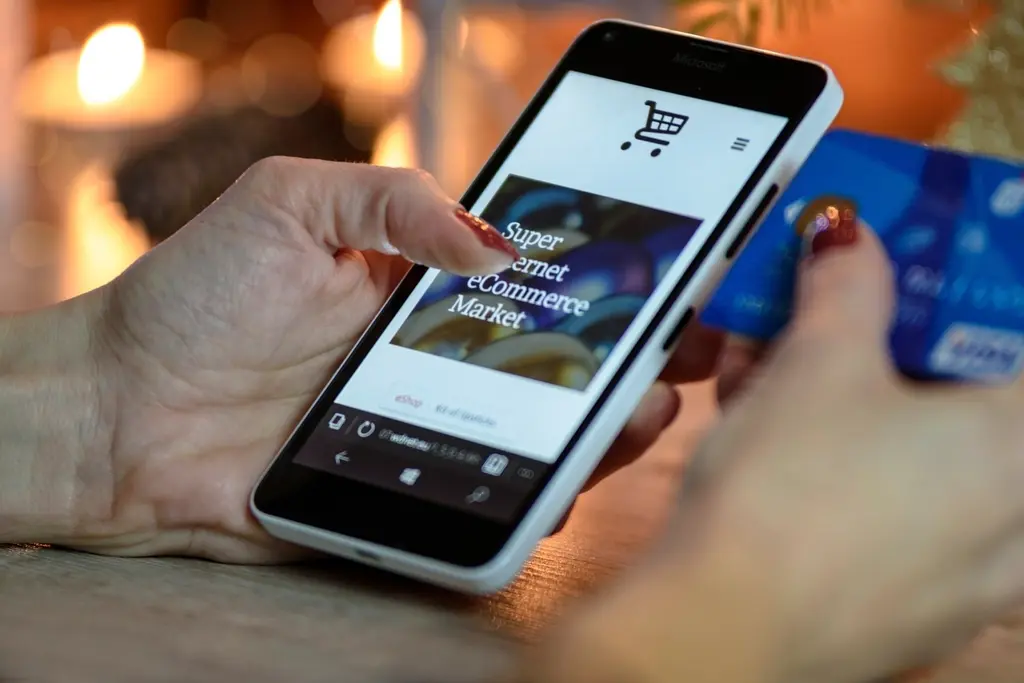
Dubai shoppers are increasingly buying without ever leaving Instagram or TikTok. Here is how to set up social commerce properly instead of just linking out to a slow website.
The Checkout Has Moved Inside the App
Instagram, TikTok, and Snapchat have all rolled out increasingly seamless in-app checkout experiences, meaning a Dubai shopper can now discover a product in a Reel and complete the purchase without ever leaving the app, opening a browser, or landing on a business's website at all. For brands still relying purely on "link in bio" to send social traffic to an external store, this represents a meaningful and growing gap — every extra tap and page load between a moment of interest and checkout measurably reduces conversion.
This does not make a website unnecessary, but it does mean social commerce now deserves to be treated as its own properly configured sales channel, not an afterthought that simply redirects to the main store.
What Proper Social Commerce Setup Actually Involves
A correctly configured product catalog — synced accurately between your inventory system and Meta/TikTok's commerce tools — is the foundation; a catalog with wrong pricing, missing stock status, or broken images actively damages trust at the exact moment a customer is closest to buying. Product tagging in organic posts and Reels, not just paid ads, lets browsing customers tap directly into a shoppable product page without waiting for an ad campaign to reach them.
Clean, high-quality product imagery matters more in social commerce than in a typical e-commerce store, because the product image is competing directly against native, algorithm-favoured content in the same feed — a product photo that looks like an ad, rather than content, tends to underperform.
Where This Fits With a Broader E-Commerce Strategy
Need this handled for your business, not just explained?
Get a Free Quote →Social commerce performs best for impulse-friendly, visually driven categories — fashion, beauty, home goods, food — where a strong image or video can drive a purchase decision quickly, without extensive research. Higher-consideration purchases (larger electronics, services, high-ticket items) generally still convert better when social content drives traffic to a fuller website experience with more detailed information, reviews, and comparison content, so most Dubai brands benefit from running both channels deliberately rather than choosing one exclusively.
Common Setup Mistakes
Letting a product catalog fall out of sync with actual website inventory is the most common and most damaging mistake, since it directly creates a broken or frustrating checkout experience at the final step. Using paid-ad-style, overly polished product photography in organic shoppable posts, rather than content that matches the native feel of the platform, is a second common mistake that quietly suppresses reach and engagement. And neglecting to tag products in regular organic content — relying purely on paid ads to drive shoppable traffic — leaves free, algorithm-boosted discovery opportunity on the table.
How Zenexio Sets Up Social Commerce for Dubai Brands
Zenexio configures Instagram Shopping and TikTok Shop catalogs, product tagging, and organic shoppable content strategy for Dubai and UAE brands, treating social commerce as a properly maintained sales channel rather than a checkbox feature. If your products are on Instagram or TikTok but not properly shoppable, the conversation costs nothing and a scoped setup is usually ready within a few days.
Also useful: our free Website Credit Badge snippet if you're building or refreshing your storefront alongside your social channels.